The allure of the casino has effortlessly transitioned into the digital realm, with live blackjack leading the charge in online gambling’s explosive growth. The ability to experience the thrill of a real casino from the comfort of your home has undeniably captivated a global audience. But, behind the glitz and glamour, a crucial question looms: Does the immersive and readily accessible nature of live blackjack make it inherently addictive? This article will provide useful insights and help the reader understand this rising form of entertainment.
Live blackjack provides an exciting experience. The cards, the dealer, and the potential for big wins create a heady mix that can be hard to resist. For some, it’s a harmless pastime. For others, it can be a dangerous spiral. Understanding the risks and recognizing the signs of potential addiction are vital in navigating the world of online gambling responsibly. The goal here is to arm you with the information you need to make informed decisions and enjoy live blackjack safely.
The Allure of Live Blackjack: A Unique Gaming Experience
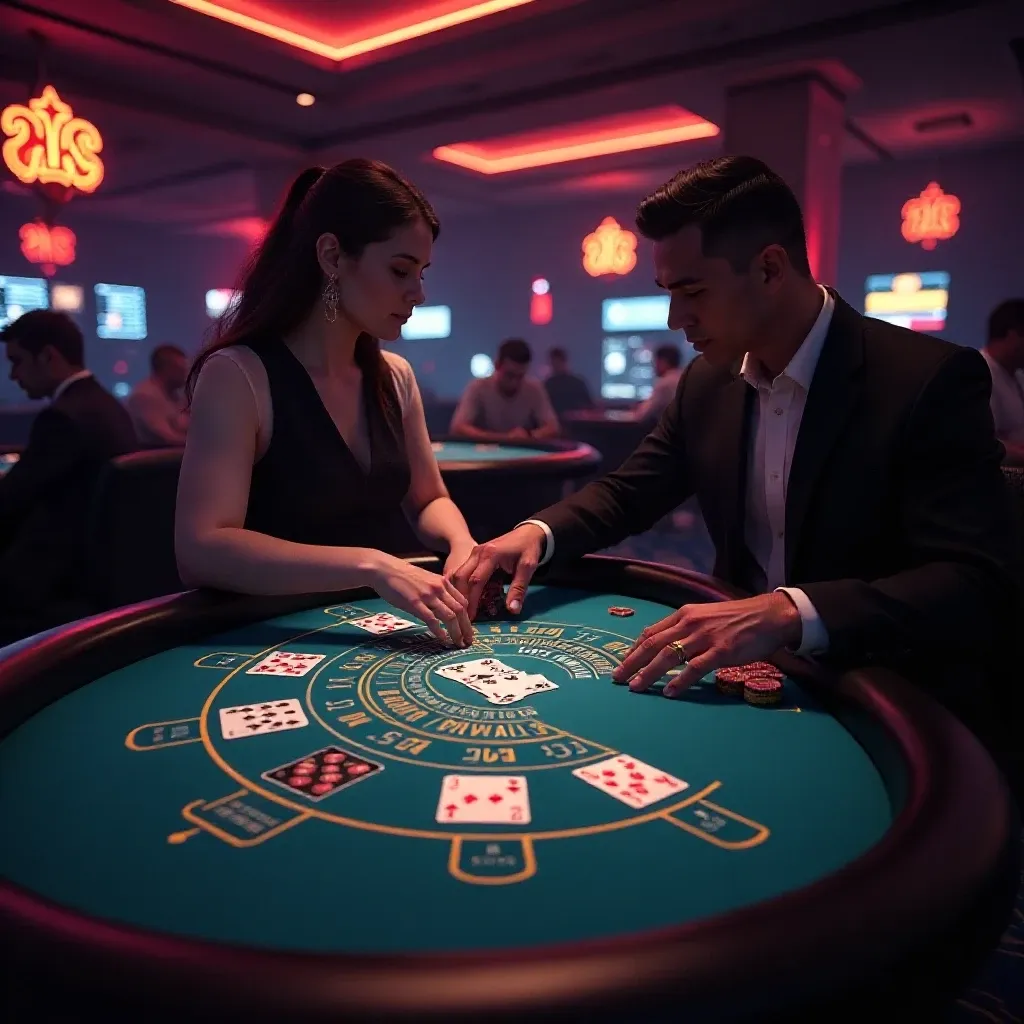
Live blackjack distinguishes itself from traditional online blackjack and land-based casinos through a blend of realness and convenience. The core difference lies in the presence of a live dealer, managing the game in real-time from a professional studio. This eliminates the reliance on purely digital random number generators, adding a layer of tangible authenticity to each hand dealt.
Players experience an immersive environment, enhanced by multiple camera angles that capture every aspect of the game. This visual richness, coupled with the ability to interact with the dealer and other players, creates a social dynamic often missing in standard online formats. Dealer interaction is a very important feature. You can communicate with the dealer via chat functions, asking questions or simply engaging in banter, fostering a sense of connection and sociability.
Furthermore, live blackjack offers the comfort of playing from one’s own home. The time to put on pants and drive to a casino is not necessary anymore. It is possible to experience an authentic casino atmosphere without sacrificing the convenience of playing anywhere using the electronic device.

Psychological Factors at Play
Live blackjack possesses an allure that extends beyond mere chance; its addictive nature is deeply rooted in fundamental psychological principles. The game’s structure, with its blend of risk and potential reward, subtly manipulates brain chemistry and cognitive biases, making it a compelling, and sometimes destructive, pastime.
The Power of Variable Rewards
The allure of live blackjack lies, in large part, in its unpredictable nature. Wins and losses are not consistently doled out; rather, they occur intermittently. This creates a “variable reward” system, a powerful psychological tool. This type of intermittent reinforcement is far more effective at creating addictive behaviors than consistent rewards. The reason is simple: uncertainty keeps us engaged. Each hand dealt holds the promise of a payout, triggering a surge of dopamine, a neurotransmitter associated with pleasure and motivation. It is because of the dopamine, that reinforces your gambling addiction. Imagine you’re at the table – a few small wins, a couple of losses, then a bigger win! That spike in dopamine makes you want to chase that high again, leading you to place another bet. That inconsistent chain of the wins and lost it’s a psychological trap that is hard to avoid.
The Near-Miss Effect
Another potent psychological factor at play in live blackjack is the “near-miss effect.” This phenomenon occurs when a player comes close to winning but ultimately loses. It gives illusion of control and the feeling of almost achieving a win, and activates the same brain regions as an actual win, further fueling the desire to continue playing. The near-miss effect warps our perception, leading us to overestimate our chances of winning and underestimate the risks involved. Each near miss strengthens our belief that a win is just around the corner, making it difficult to walk away, even when logic dictates otherwise.
The Social Element: More Than Just a Game
The Lure of the Live Dealer
The appeal of online casinos often extends beyond mere chance; it’s woven into the delicate fabric of social interaction. The live dealer, a real person managing the game in real-time, introduces a human element that screen-based games often lack. This isn’t merely about placing bets and spinning reels; it’s about building a connection, however fleeting, with another human being. The dealer’s personality infuses life into the game. A well-placed joke, a word of encouragement, or even a simple acknowledgement of a player’s win can heighten the enjoyment. It’s interactive—players can chat with the dealer, ask questions about the game, and receive personalized responses. This transforms experience from a solitary activity into a shared engagement.
Moreover, the presence of a live dealer fosters a sense of trust that is sometimes absent in purely digital environments. Seeing a physical person deal the cards or spin the roulette wheel injects a layer of transparency into proceedings. It’s easier to believe in the fairness of the game when you can see the mechanics in action. This feeling of trust can be a powerful draw, keeping players engaged and invested.
Chasing the Win: The Illusion of Control
Live blackjack, with its fast-paced action and the promise of quick wins, can be incredibly appealing. However, beneath the surface lies a dangerous psychological landscape fueled by cognitive biases and the illusion of control. This illusion is the unfounded belief that one can influence the outcome of what is essentially a random event. People start to think they have a system, a feel for the game, or some other secret edge. This is where the trouble begins.
One major factor is the gambler’s fallacy, where past events are believed to affect future outcomes, even when those events are statistically independent. It’s easy to fall into the trap of thinking a losing streak is “due” to end, or that a certain pattern will continue. Add into the mix personal rituals, lucky charms, and other superstitious ideas, and the false sense of control over the cards intensifies, exacerbating addictive behaviors.
The Gambler’s Fallacy and its Traps
The gambler’s fallacy is a cognitive distortion that convinces people random events have a “memory.” In reality, each blackjack hand is independent. Previous hands have absolutely no bearing on what cards will be dealt next. Believing after a string of losses that a win is “inevitable” is a prime example of this fallacy. This misguided notion can lead to riskier bets, chasing losses, and a rapid depletion of funds. Combating the gambler’s fallacy requires understanding basic probability and acknowledging the game’s inherent randomness. It also means recognizing and challenging these irrational thoughts when they surface.
Responsible Gaming: Staying in Control
Engaging in gaming should always be a source of entertainment, never a cause for concern. Maintaining responsible gaming habits is crucial for ensuring that it remains a fun and harmless activity. This means exercising self-control, setting clear boundaries, and being aware of the potential risks involved. By prioritizing your well-being and adopting proactive strategies, you can enjoy gaming responsibly and prevent it from negatively impacting your life. Remember, the goal is to have a good time, without letting gaming take control.
Setting Limits: Time and Money
Establishing firm limits on both time and money is a cornerstone of responsible gaming. Before you start, decide on a specific budget you’re comfortable losing and stick to it. For example, tell yourself, “I will only spend $30 this week.” Similarly, set a time limit for each gaming session. A useful rule may be: “I will only gamble for 1 hour per day”. Many online platforms offer self-exclusion programs that allow you to block yourself from accessing their services for a set period. Take advantage of these tools to reinforce your commitment to responsible play.
Recognizing the Signs: When to Seek Help
It’s essential to be honest with yourself and recognize when your gaming habits might be becoming problematic. Common warning signs include chasing losses, gambling with money you need for essential expenses, lying to loved ones about your gambling, and neglecting your responsibilities. If you notice these signs, it may be time to seek help. There are resources available to provide support and guidance. If you think you may need help, it is the best to seek it.
Conclusion
Live blackjack offers an immersive and engaging experience, but it’s crucial to acknowledge its potential for addiction. The fast-paced nature, social interaction, and the thrill of potential winnings can be highly stimulating, leading some individuals down a path of compulsive gambling. Increased awareness is the first line of defense. Recognizing the signs of addiction, such as chasing losses, neglecting responsibilities, or feeling anxious when not playing, is essential for taking timely action.
Ultimately, enjoying live blackjack responsibly comes down to self-control and informed decision-making. Setting limits on time and money spent, understanding the odds, and avoiding playing under the influence are vital strategies for maintaining a healthy balance. Remember, live blackjack should be a source of entertainment, not a source of stress or financial hardship. Play smart, stay in control, and prioritize your well-being.